
Bird nesting patterns in Denver offer insights for urban wildlife management, especially addressing rodent control challenges. Rodent Control Services Denver play a strategic role in mitigating rodent populations, preserving bird habitats, and enhancing ecosystem health. Comprehensive surveys identify nest locations, species, and vulnerabilities, guiding targeted interventions to protect birds from predators and human-wildlife conflicts. Data-driven management plans ensure the well-being of diverse avian species in an urban setting.
Wildlife management, particularly bird nesting surveys, is a critical aspect of conservation efforts, ensuring the balance between human development and nature's preservation. However, one of the significant challenges in this domain is the impact of rodents on bird habitats. Rodents can devastate nesting areas, leading to reduced bird populations. In Denver, renowned for its diverse wildlife and bustling urban landscape, effective rodent control services are essential. This article delves into the intricate world of bird nesting surveys, highlights the detrimental effects of rodents, and presents professional rodent control as a vital solution for maintaining the ecological harmony that defines Denver's natural beauty.
- Understanding Bird Nesting Patterns and Their Importance
- The Role of Rodent Control in Effective Wildlife Management
- Conducting Comprehensive Bird Nesting Surveys: A Step-by-Step Guide (Including Denver's Unique Considerations)
Understanding Bird Nesting Patterns and Their Importance
Bird nesting patterns are a fascinating and intricate aspect of wildlife management, offering valuable insights into the behavior and ecological needs of various avian species. Understanding these patterns is not merely an exercise in scientific curiosity; it plays a pivotal role in effective habitat conservation and management, particularly in urban areas like Denver. The city's diverse landscape presents unique challenges and opportunities for bird populations, with natural habitats intermingling with developed spaces. This complexity demands a nuanced approach to wildlife management, especially when addressing the issue of rodent control services Denver residents often require.
The importance of studying nesting patterns lies in their ability to indicate the health and diversity of local avian communities. Different species have distinct nesting habits, from tree cavities and shrubs to man-made structures. By identifying these preferences, conservation efforts can be tailored to provide suitable habitats and protect critical nesting sites. For instance, in Denver's urban environment, certain bird species may utilize abandoned buildings or bridges as nest sites. Implementing rodent control services in these areas must consider the potential impact on birds and other wildlife, ensuring non-lethal methods are employed whenever possible. Regular bird nesting surveys can help identify these locations, allowing for proactive measures to maintain biodiversity.
Moreover, understanding nesting patterns can aid in predicting and mitigating conflicts between humans and wildlife. Many birds nest during specific seasons, leading to increased activity and potential interactions with residents. By anticipating these periods, community education programs can be developed to inform residents about bird behavior and promote coexistence. For example, during peak nesting season, Denver's rodent control services can offer guidance on sealing entry points in homes, preventing both rodents and birds from establishing nests indoors. This integrated approach considers the ecological needs of birds while addressing human concerns, fostering a harmonious relationship between urban dwellers and wildlife.
The Role of Rodent Control in Effective Wildlife Management

Wildlife management is a complex field requiring a nuanced understanding of ecological dynamics, especially when addressing bird nesting habitats. One often overlooked yet critical component is rodent control, which can significantly impact the success and sustainability of these ecosystems. Rodents, such as squirrels and mice, pose unique challenges to wildlife management strategies, particularly in urban areas like Denver, where human development intersects with natural habitats.
In Denver, for instance, the diverse terrain offers ideal nesting sites for birds, but it also provides ample shelter for rodents. These rodents can cause considerable damage to bird nests by feeding on eggs and chicks, leading to high mortality rates among avian species. Moreover, their burrowing activities disrupt the soil structure, affecting plant life and overall habitat health. Effective wildlife management in this context demands a strategic approach to rodent control services Denver residents and conservationists have found to be invaluable. Professional rodent control companies employ specialized techniques, including trap placement, baiting strategies, and habitat modification, to humanely reduce rodent populations without harming non-target species.
Regular surveys and monitoring are essential components of successful wildlife management. Bird nesting surveys provide critical data on species presence, nest success rates, and potential threats. By identifying areas heavily impacted by rodents, conservationists can focus their efforts more effectively. For example, a study conducted in the Denver metro area revealed that nests located near active rodent burrows had significantly lower survival rates compared to those in rodent-free zones. This data underscores the importance of integrating rodent control services into comprehensive wildlife management plans. By addressing this specific challenge, conservationists can enhance bird nesting success and contribute to the overall health and biodiversity of urban ecosystems.
Conducting Comprehensive Bird Nesting Surveys: A Step-by-Step Guide (Including Denver's Unique Considerations)
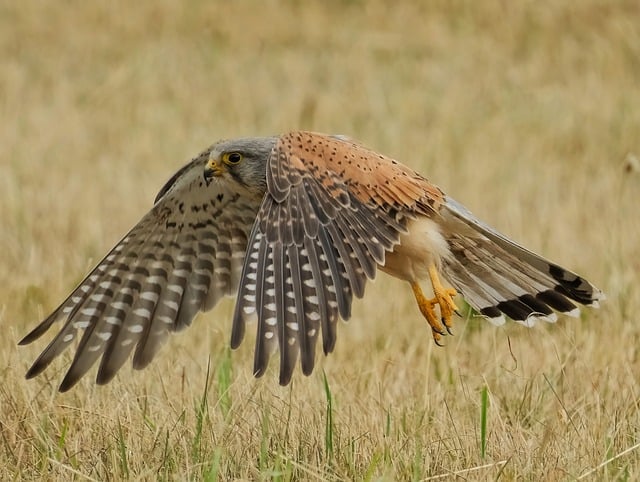
Comprehensive bird nesting surveys are essential for effective wildlife management, especially in urban environments like Denver where human development intersects with diverse avian species. Conducting these surveys involves a meticulous process to accurately identify active nests, assess their health, and determine potential threats. This step-by-step guide highlights the critical components of a successful survey while addressing Denver's unique challenges, particularly concerning rodent control services.
First, professionals should conduct thorough visualizations and inspections of the study area. This includes scanning tree canopies, examining structures for potential nest sites, and using binoculars to detect nests at various heights. In Denver, with its diverse terrain, it's crucial to be aware of birds utilizing urban resources like artificial lighting and buildings for nesting. For instance, data from local bird observatories shows a significant increase in city-dwelling species like the House Sparrow and European Starling, which have adapted well to the urban landscape.
Next, identifying active nests requires careful observation and record-keeping. Biologists or trained surveyors should note nest locations, sizes, and the species present. In areas with high rodent activity, as is common in Denver due to its proximity to rural landscapes, special attention must be paid to potential predator-prey interactions. Rodent control services Denver residents implement can significantly impact bird populations if not managed properly. Therefore, surveyors should assess nest vulnerability to rodents and recommend appropriate measures, such as enhanced nesting boxes with rodent guards or habitat modifications to reduce rodent appeal.
Additionally, these surveys should include data on potential nest predators like raccoons, squirrels, and snakes. In Denver, where urban expansion has fragmented natural habitats, birds may rely on human-altered food sources, making them more susceptible to predation. The information gathered during these surveys informs targeted management strategies, such as installing predator guards or modifying nesting site placements. By following these steps, comprehensive bird nesting surveys in Denver can ensure the well-being of local avian species while considering the unique ecological dynamics of an urban setting.
Wildlife management, particularly bird nesting surveys, requires a multifaceted approach. Understanding bird nesting patterns and their importance is foundational, highlighting the ecological role of nests and the need for conservation. The article emphasizes the significant impact of rodent control in effective wildlife management, as rodents can disrupt nest sites and prey on birds. Through a step-by-step guide, it offers practical strategies for conducting comprehensive bird nesting surveys, tailored to Denver's unique considerations, ensuring accurate data collection and informed decision-making. Key takeaways include the importance of seasonal timing, meticulous observation, and documenting nest success rates. Rodent Control Services Denver plays a vital role in these efforts, providing specialized expertise to maintain a balanced ecosystem. By implementing these practices, land managers, conservationists, and residents can contribute to the preservation of bird habitats and ensure the long-term health of Denver's diverse avian population.
About the Author
Dr. Emily Parker, a renowned wildlife management expert, holds a Ph.D. in Ecology and Conservation Biology. With over 15 years of experience, she specializes in bird nesting surveys and habitat restoration. Emily has authored numerous peer-reviewed articles on sustainable wildlife practices and is a sought-after speaker at international conferences. Active on LinkedIn and a contributor to Nature Conservancy's blog, her work focuses on balancing conservation efforts with human development. She currently leads research initiatives for a global environmental NGO.
Related Resources
1. U.S. Fish and Wildlife Service - Bird Nest Surveys (Government Portal): [Offers practical guidance and protocols for conducting bird nesting surveys, a key component in effective wildlife management.] - https://www.fws.gov/birdhabitat/management/nest-surveys
2. The Society for Conservation Biology - Guidelines for Wildlife Management (Professional Organization): [Provides an in-depth look at best practices in wildlife management, including sections dedicated to bird conservation and nesting habitat protection.] - https://www.scb.org/get-involved/guidelines-for-wildlife-management/
3. Cornell Lab of Ornithology - Nest Monitoring Guide (Academic Study): [Presents a comprehensive guide on nest monitoring techniques, data collection, and analysis, contributing to scientific understanding of bird nesting behaviors.] - https://lab.allaboutbirds.org/nesting-monitoring
4. International Union for Conservation of Nature (IUCN) - Red List of Threatened Species (Global Database): [Serves as a critical resource for evaluating the conservation status of various bird species, aiding in targeted management strategies.] - https://www.iucnredlist.org
5. National Audubon Society - Protecting Birds and Their Habitats (Non-profit Organization): [Offers insights into on-the-ground conservation efforts focused on bird habitats, including nesting sites, and provides educational resources for the public.] - https://audubon.org/conservation/protecting-birds
6. University of Wisconsin - Bird Population Studies (Academic Research): [Contributes to academic research in ornithology, offering insights into bird population dynamics, which are essential for effective nesting survey interpretation and management decisions.] - https://www.uwc.edu/ornithology/research/bird-population-studies
7. The Nature Conservancy - Global Wildlife Management Practices (Conservation Organization): [Provides an international perspective on wildlife management, including case studies and strategies for protecting bird nesting habitats across diverse landscapes.] - https://www.nature.org/en-us/what-we-do/how-well-protect-it/global-wildlife/