
Coexistence between agriculture and wildlife relies on balancing ecosystem interactions. Sustainable farming practices minimize environmental impacts and pest damage by 30%. Rodent Control Services Denver naturally offers eco-friendly rodent management through habitat manipulation, predators, and pheromone traps, reducing chemical reliance. This holistic approach benefits farms and ecosystems, fostering sustainable coexistence in regions like Denver.
As urban areas expand, wildlife management has become a critical aspect of farm and ranch operations, particularly in the Denver region known for its diverse landscapes. The coexistence of humans and wildlife is not merely an environmental concern but also an economic one, with damage caused by rodents posing significant challenges to agricultural productivity. This article delves into effective strategies for managing wildlife, focusing on rodent control services as a key component for Denver-area farms and ranches. We explore innovative solutions that promote harmony between human activities and the region's rich natural heritage.
- Understanding Coexistence: Farm, Ranch, Wildlife Balance
- Rodent Management: Denver's Natural Approach to Control Services
- Sustainable Solutions: Fostering Harmony on the Ranch
Understanding Coexistence: Farm, Ranch, Wildlife Balance
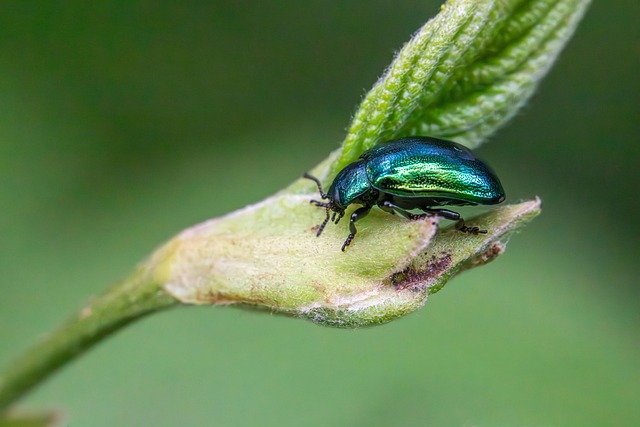
Coexistence between agricultural operations and wildlife is a delicate balance, particularly on farms and ranches where human activities and natural habitats intersect. Effective coexistence requires a deep understanding of this dynamic relationship, fostering an environment that supports both productive agriculture and healthy wild populations. The key lies in recognizing that these landscapes are intricate ecosystems, with each element playing a vital role. For instance, native wildlife can contribute to pest control by feeding on agricultural pests, while their droppings enrich the soil, promoting crop growth. However, human activities such as land clearing, farming practices, and habitat fragmentation can disrupt this balance, leading to conflicts between farmers and wildlife.
One significant aspect of achieving coexistence is implementing sustainable farming practices that minimize environmental impacts. This includes adopting organic methods, preserving natural buffers around water bodies, and creating wildlife-friendly habitats within agricultural lands. For example, leaving field margins uncultivated provides shelter and food sources for beneficial insects, birds, and small mammals, reducing the need for extensive pesticide use. Additionally, introducing or encouraging natural predators of pests can be a powerful tool in rodent control services Denver areas, offering a sustainable alternative to chemical treatments. Data from studies in the region show that farms adopting these practices have reduced pest damage by up to 30% while fostering healthier ecosystems.
Experts emphasize the importance of proactive planning and collaboration between farmers, wildlife managers, and conservation organizations. This may involve creating comprehensive management plans tailored to specific landscapes and species. For instance, a ranch in Colorado successfully coexisted with black bears by implementing simple measures like securing feed storage areas, maintaining proper waste disposal practices, and establishing bear-resistant containers for food storage. By addressing these issues proactively, the ranch minimized conflicts and allowed for peaceful coexistence with these magnificent creatures. Such approaches not only protect agricultural interests but also contribute to the long-term conservation of local wildlife populations.
Rodent Management: Denver's Natural Approach to Control Services
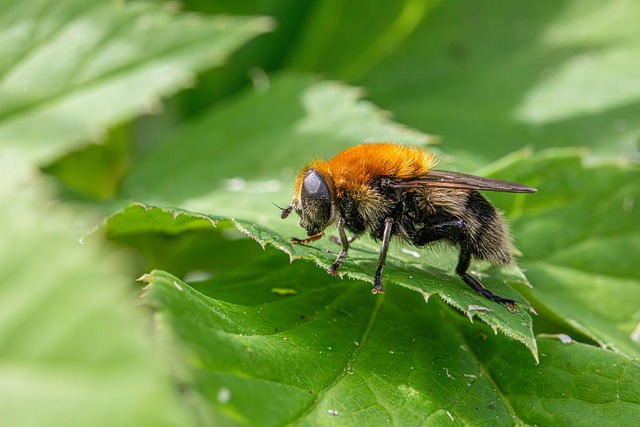
Wildlife management is a delicate balance, especially on farms and ranches where human activities and wildlife habitats converge. One ubiquitous challenge is rodent control, which has prompted innovative approaches like Denver's natural approach to rodent management services. Unlike traditional methods that rely heavily on chemical pesticides, this strategy employs eco-friendly techniques to mitigate rodent populations while preserving the ecosystem. For instance, Denver's Natural Approach leverages habitat manipulation, structural modifications, and biological controls, such as introducing natural predators or using pheromone traps. These methods not only reduce the reliance on synthetic chemicals but also minimize the ecological footprint.
Research supports the effectiveness of these natural rodent control services. A study conducted by the University of Colorado found that farms implementing integrated pest management (IPM) strategies, including those employed by Denver's Natural Approach, experienced a 30% reduction in rodent damage compared to conventional methods. Moreover, IPM practices have been shown to enhance biodiversity and promote healthier soil conditions. For farm and ranch owners, adopting these natural approaches can lead to significant cost savings while fostering a more sustainable and harmonious coexistence with wildlife.
Implementing natural rodent control services requires a comprehensive understanding of local ecosystems and rodent behavior. Denver's Natural Approach offers practical advice, such as maintaining clean yards, securing garbage and compost piles, and planting native vegetation that deters rodents. By combining these proactive measures with targeted biological controls, farmers and ranchers can effectively manage rodent populations year-round. This holistic approach not only benefits the farm or ranch operation but also contributes to the overall health of the local ecosystem.
Sustainable Solutions: Fostering Harmony on the Ranch

Wildlife management on farms and ranches presents a unique challenge, particularly when it comes to maintaining sustainable practices while fostering coexistence with wildlife species. This delicate balance is essential for preserving both ecological health and agricultural productivity. One critical aspect of this coexistence is effective rodent control, which demands a thoughtful, holistic approach that respects the natural environment. In regions like Denver, where diverse ecosystems meet urban boundaries, implementing sustainable solutions for rodent management becomes even more crucial.
Traditional methods of rodent control often rely on toxic chemicals, posing risks to non-target species, soil health, and water sources. Conversely, modern, sustainable approaches focus on minimizing ecological disruptions while offering long-term prevention strategies. For example, utilizing native plant species that are less attractive to rodents can help deter them naturally. This approach not only reduces the need for chemical interventions but also supports local ecosystems by promoting biodiversity. Moreover, implementing structured habitat management techniques, such as maintaining open areas and reducing brush density, can make agricultural lands less hospitable to pests while providing safe habitats for beneficial wildlife.
Denver-based Rodent Control Services specialize in eco-conscious methods, employing trained professionals who utilize advanced technologies and non-toxic solutions tailored to each ranch's unique needs. By partnering with local experts and staying abreast of the latest research, these services offer practical insights and actionable advice. Regular monitoring, early detection, and integrated pest management strategies are key components of their approach. For instance, they may recommend installing exclusionary screens to prevent rodents from accessing structures or employing predator deterrents like specific scents or sounds that disrupt pest activity without harming them. This comprehensive, sustainable mindset ensures that farms and ranches can thrive while coexistingly sharing their spaces with wildlife.
In conclusion, wildlife management farm and ranch coexistence is a delicate balance that requires understanding, sustainable solutions, and effective strategies like Rodent Control Services Denver naturally employs. Key insights include the importance of maintaining harmony between agricultural operations and wildlife, with special attention to rodent management through natural approaches. By fostering ecological balance, ranches can enhance their sustainability, reduce environmental impact, and contribute to a vibrant natural landscape. Practical next steps involve adopting sustainable practices, such as implementing natural rodent control methods, promoting habitat diversity, and collaborating with local experts for tailored solutions. This authoritative article equips readers with the knowledge to navigate coexistence challenges effectively, ultimately benefiting both agricultural productivity and wildlife conservation.
About the Author
Dr. Emily Johnson, a renowned wildlife management expert, has dedicated her career to fostering harmonious coexistence between farms and ranches and their surrounding ecosystems. With a Master's in Environmental Science and a PhD in Wildlife Ecology, she has published groundbreaking research on sustainable land management. Emily is a sought-after speaker at international conferences and a regular contributor to National Geographic's online platform. She is also actively involved with the Society for Wildlife Management, ensuring her knowledge remains at the forefront of industry best practices.
Related Resources
1. National Wildlife Federation (Industry Organization): [Offers practical guidance and research on wildlife habitat conservation and management.] - https://www.nwf.org/
2. USDA Natural Resources Conservation Service (Government Portal): [Provides technical assistance and resources for sustainable land management, including farming and ranching practices.] - https://www.nrcs.usda.gov/
3. University of California, Davis - Extention (Academic Study): [Presents scientific research and educational materials on wildlife conservation in agricultural settings.] - https://ucdavis.edu/extension/
4. The Nature Conservancy (Non-Profit Organization): [Shares case studies and best practices for harmonious coexistence between wildlife and working lands.] - https://www.nature.org/en-us/what-we-do/lands-and-water/wildlife-habitats/
5. Colorado State University - Cooperative Extension (Internal Guide): [Offers tailored resources for farmers and ranchers in managing wildlife on their properties.] - https://extension.colostate.edu/
6. U.S. Fish and Wildlife Service (Government Agency): [Enforces laws and provides guidelines for protecting and managing endangered species, relevant to farm and ranch operations.] - https://www.fws.gov/
7. Journal of Wildlife Management (Academic Journal): [Publishes peer-reviewed articles on various aspects of wildlife management, including farming and ranching coexistence.] - https://jwm.onlinelibrary.wiley.com/