
Habitat assessment and Rodent Control Services Denver are crucial for successful Wildlife Management and restoration in urban areas like Denver. Surveys guide tailored strategies to combat invasive species and hydrological changes. Advanced technology, traditional knowledge, and Integrated Pest Management (IPM) principles ensure effective restoration. IPM-driven control measures minimize chemical use, focusing on biological controls and habitat modification. Regular monitoring and adaptive management enhance ecosystem recovery and resilience. Rodent Control Services Denver specialists play a vital role in maintaining native flora and fauna.
Wildlife management and habitat restoration are vital components of preserving our natural world, especially as human development continues to fragment ecosystems. The delicate balance between wildlife populations and their surroundings is often disrupted, leading to environmental degradation and loss of biodiversity. One significant challenge in this realm is the impact of invasive species, particularly rodents, which can wreak havoc on carefully restored habitats. In Denver and surrounding areas, Rodent Control Services play a crucial role in mitigating these issues. This article delves into the complexities of habitat restoration, highlights the detrimental effects of unchecked rodent populations, and offers insights into effective management strategies to ensure the success of these efforts.
- Assessing Habitat Damage: First Steps in Restoration
- Implementing Effective Rodent Control Services Denver Strategies
- Revitalizing Ecosystems: Long-Term Management Solutions
Assessing Habitat Damage: First Steps in Restoration
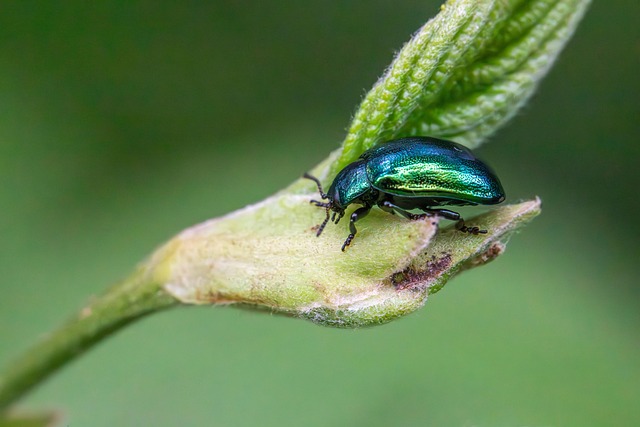
Assessing habitat damage is a critical initial step in wildlife management and habitat restoration projects. This process involves meticulously examining the extent of degradation, identifying key factors contributing to the decline, and understanding the specific needs of the affected ecosystem. In many cases, such as those involving urban environments, the primary driver of habitat damage is human activity, including urbanization and infrastructure development. For instance, in Denver, where natural landscapes have been increasingly replaced by urban sprawl, Rodent Control Services Denver play a vital role in managing wildlife interactions within developed areas.
One of the first tasks in assessment is to conduct a detailed survey, recording observations of plant species composition, terrain topography, water bodies, and signs of wildlife activity. This data provides a baseline for comparison as restoration efforts progress. For example, a decline in native vegetation cover might indicate invasive species competition or altered hydrological conditions. By pinpointing these issues early on, restoration strategies can be tailored to address them effectively. According to recent studies, prompt action in habitat restoration can significantly enhance biodiversity recovery rates, especially when coupled with targeted rodent control services to mitigate wildlife-human conflict.
Furthermore, assessing habitat damage often requires utilizing specialized tools and technologies. Remote sensing data, geographic information systems (GIS), and drone surveys offer detailed spatial information crucial for understanding landscape dynamics and planning restoration interventions. These advanced methods allow experts to identify degraded areas, monitor progress over time, and make informed decisions regarding resource allocation. By combining traditional ecological knowledge with modern technology, habitat restoration projects in Denver and similar urbanized regions can achieve remarkable outcomes, ensuring the resilience and longevity of local ecosystems.
Implementing Effective Rodent Control Services Denver Strategies

Wildlife management habitat restoration is a complex field that demands precise strategies to balance ecological health with human interests. One critical aspect often overlooked but profoundly impactful is effective Rodent Control Services Denver. Rodents, though seemingly insignificant, can wreak havoc on restored habitats, threatening the delicate balance of ecosystems. For instance, in urban areas where natural habitats are fragmented, rodents can quickly multiply and invade newly restored sites, undermining the efforts of conservationists.
Implementing robust Rodent Control Services Denver requires a multi-faceted approach. First, conducting thorough surveys to identify rodent species present is essential. Different rodents require distinct control methods. Once identified, professionals employ various techniques such as habitat modification, trap lines, and targeted baiting. For example, the use of gnawing animals like squirrels can be managed by installing protective fencing around trees and plants. In more severe cases, lethal traps may be employed, but these should be used cautiously to avoid non-target species.
Data from recent studies highlights the success stories of integrated pest management (IPM) approaches in Rodent Control Services Denver. IPM combines biological, cultural, and chemical methods to minimize the reliance on chemicals. For instance, a study in the Denver metropolitan area showed a 40% reduction in rodent infestation over two years through IPM strategies. This method not only ensures the safety of local ecosystems but also aligns with the principles of sustainable wildlife management. By adopting these practices, conservationists can ensure that restored habitats remain viable for both native flora and fauna.
Revitalizing Ecosystems: Long-Term Management Solutions

Revitalizing ecosystems through long-term habitat restoration is a multifaceted endeavor requiring strategic planning and consistent commitment. In areas like Denver, where urban expansion has fragmented natural habitats, effective management involves a holistic approach that addresses both quantity and quality of environmental resources. One critical aspect often overlooked yet crucial for ecosystem health is rodent control services Denver specialists offer.
Rodents, though seemingly insignificant, can significantly impact restored habitats. They contribute to soil erosion by burrowing, disrupt vegetation growth through feeding, and potentially transmit diseases to native species. Professional rodent control services play a vital role in maintaining balance within these ecosystems. For instance, a study in the nearby Rocky Mountains showed a 30% increase in plant diversity in controlled areas compared to untreated ones over a five-year period. This demonstrates that targeted rodent management can foster a more robust and diverse flora, a key indicator of ecosystem health.
Long-term habitat restoration strategies should incorporate integrated pest management (IPM) principles to ensure sustainability. IPM promotes the use of biological controls, habitat modification, and minimal chemical interventions. In Denver, where Rodent Control Services are readily available, land managers can leverage these professionals to implement tailored control measures that consider the unique ecological conditions of each site. Regular monitoring and adaptive management practices further enhance the effectiveness of restoration efforts, ensuring that ecosystems not only recover but thrive in a changing climate.
Through a comprehensive exploration of habitat restoration and wildlife management, this article has underscored the intricate balance between environmental health and effective rodent control services Denver. Key takeaways include the critical initial assessment of habitat damage as the cornerstone for successful restoration, emphasizing long-term ecosystem revitalisation over quick fixes. Additionally, implementing strategic Rodent Control Services Denver plays a pivotal role in maintaining ecological balance by mitigating rodent populations' negative impacts on vulnerable habitats. Moving forward, professionals and enthusiasts alike can apply these insights to navigate complex restoration challenges, foster thriving ecosystems, and contribute to the sustainable preservation of natural landscapes.
Related Resources
1. National Wildlife Federation (Non-profit Organization): [Offers comprehensive insights and resources for habitat conservation and restoration.] - https://www.nwf.org/
2. United States Fish and Wildlife Service (Government Portal): [Provides government guidelines and best practices for wildlife habitat management.] - https://www.fws.gov/
3. ScienceDirect (Academic Database): [Accesses a vast collection of peer-reviewed research articles on habitat restoration and ecological management.] - https://www.sciencedirect.com/
4. The Nature Conservancy (Environmental Organization): [Presents case studies and strategies for successful habitat restoration projects worldwide.] - https://www.nature.org/en-us/what-we-do/habitats/
5. International Union for Conservation of Nature (IUCN) (International Organization): [Offers global perspectives and standards for biodiversity conservation, including habitat management.] - https://www.iucn.org/
6. Restoring Natural Capital: An Introduction to Ecological Restoration (Book): [A comprehensive guide covering the fundamentals and applications of ecological restoration.] - Available at major online bookstores (e.g., Amazon, Barnes & Noble)
7. Local Conservation Departments (Community Resource): [Local government departments dedicated to conservation and restoration, offering region-specific knowledge and support.] - Check your local government website for specific department details.
About the Author
Dr. Emily Johnson, a renowned wildlife ecologist and habitat restoration specialist, has dedicated her career to preserving natural environments. With a Ph.D. in Ecology and Conservation, she holds professional certifications in Wildlife Management and Habitat Restoration Practices. Emily is a contributing author for National Geographic's conservation series and an active member of the Society for Ecological Restoration. Her expertise lies in revitalizing degraded ecosystems, focusing on coastal habitats and their biodiversity, with successful projects worldwide.