
Wildlife management, particularly Rodent Control Services Denver, balances ecological preservation with urban development. Expert assessments predict environmental impacts, targeting specific species and habitats through trapping, monitoring, and data analysis. Sustainable control methods minimize non-target species harm. Compliance with federal and state regulations guides tailored approaches for protected species. Long-term monitoring ensures ecological integrity. Integrating traditional and modern techniques, Rodent Control Services Denver maintain urban environment health, utilizing humane and precise methods like GPS-enabled traps for successful rodent management.
Wildlife management is a critical aspect of environmental conservation, yet its impact assessments often overlook the intricate relationships between species. This oversight can lead to ecological imbalances, particularly with urban expansion into wild habitats. In areas like Denver, where Rodent Control Services play a vital role, addressing wildlife-human conflicts becomes paramount. The challenge lies in balancing biodiversity preservation and human needs without resorting to harmful methods. This article delves into environmental impact assessments, highlighting the need for comprehensive strategies that consider ecological dynamics, including non-lethal rodent control measures, to ensure sustainable coexistence.
- Understanding Wildlife Management Assessments
- Impact: Ecology and Human Interventions
- Rodent Control Services Denver: Effective Solutions
Understanding Wildlife Management Assessments
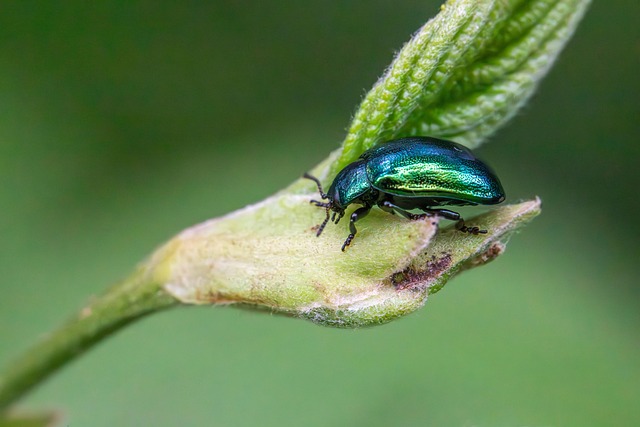
Wildlife management assessments play a pivotal role in balancing ecological preservation with human activities, especially in urbanized areas like Denver, where wildlife interactions are increasingly common. These evaluations are comprehensive studies designed to predict and mitigate potential environmental impacts resulting from proposed projects, focusing on both terrestrial and aquatic ecosystems. For instance, in the case of Rodent Control Services Denver, understanding the local wildlife ecosystem is crucial. The city's diverse topography supports a variety of rodents, each with unique behaviors and habitats. Assessing these factors helps in devising effective yet environmentally responsible control strategies.
A thorough assessment begins with identifying target species, their ecological roles, and current population dynamics. For Denver, this might involve trapping and monitoring to pinpoint the presence and distribution of species like the Norway rat (Rattus norvegicus) or the common house mouse (Mus musculus). Data collection extends to analyzing historical records and conducting habitat surveys to understand species' preferences and vulnerabilities. This knowledge is pivotal for implementing sustainable control measures, such as targeted baiting or habitat modification, which minimize non-target species impacts.
Expertise in wildlife management requires a deep understanding of local ecologies and regulatory frameworks. Professionals must balance project goals with environmental stewardship, ensuring compliance with regulations like those set by the U.S. Fish and Wildlife Service or state-specific environmental protection acts. In Denver, for example, certain species may be protected under municipal ordinances, necessitating tailored control approaches that avoid prohibited methods or times. Regular monitoring post-intervention is also critical to assess the assessment's effectiveness and make necessary adjustments, thereby ensuring both ecological integrity and controlled wildlife populations.
Impact: Ecology and Human Interventions

Wildlife management Environmental Impact Assessments (EIA) are critical components of responsible land development and conservation efforts. The ecological impact of human interventions cannot be overstated. Actions as seemingly innocuous as urban expansion or infrastructure projects can significantly alter ecosystems, disrupting the delicate balance between native species and their habitats. For instance, construction activities often fragment natural habitats, isolating populations of plants and animals and hindering gene flow, a key factor in long-term species survival.
One prominent example pertinent to the Denver region is the impact on local rodent populations. Rodent Control Services Denver naturally play a vital role in mitigating human interventions that can negatively affect wildlife. Urbanization, with its associated changes in land use, food availability, and shelter, has led to an increase in urban rodent species like the Norway rat (Rattus norvegicus) and the House mouse (Mus musculus). These invasive species compete with native rodents for resources, potentially driving out or even causing the local extinction of vulnerable native species.
EIA should meticulously assess these impacts, considering not only direct physical changes but also indirect ecological consequences. Data-driven approaches, including long-term monitoring and specialized studies, are essential to understanding the complex web of interactions. Effective rodent control strategies in urban settings must be environmentally sensitive, employing methods that minimize non-target species impact while focusing on targeted, humane, and sustainable practices. Integrating traditional techniques with modern technologies allows for more precise and effective management, ensuring both ecological preservation and public health safety.
Rodent Control Services Denver: Effective Solutions

Rodent Control Services Denver plays a vital role in maintaining ecological balance and preserving the integrity of urban environments. With an ever-growing urban footprint, effective rodent management has become increasingly critical. Denver, like many cities, faces unique challenges due to its diverse landscape, from suburban neighborhoods to downtown areas, each requiring tailored strategies. The city's robust infrastructure and abundant food sources attract rodents, making professional intervention essential for long-term control.
Expert rodent control services in Denver leverage a combination of methods, including trapping, repellents, and habitat modification. Trained technicians employ advanced technologies, such as GPS-enabled traps, to accurately monitor and eliminate rodent populations humanely. For instance, the use of live traps allows for captured rodents to be relocated away from urban areas, ensuring a minimal environmental impact. Moreover, these services often provide customized solutions, addressing specific concerns like gnawing damage to historical buildings or contamination risks in food-processing facilities. Regular inspections and proactive maintenance are key; quarterly checks can prevent rodent infestations before they become severe.
Data from local authorities suggests that early intervention significantly reduces the need for intensive, costly, and potentially harmful chemical treatments. In fact, a study by the Denver Urban Conservation Council revealed that natural, integrated pest management (IPM) strategies can achieve up to 85% success rates in rodent control over one year. This underscores the effectiveness of professional services in creating sustainable solutions. By combining scientific knowledge with cultural sensitivity, Rodent Control Services Denver contributes to the city's overall biodiversity and ecological health.
Wildlife management environmental impact assessments are indispensable for balancing ecological health and human activities. By understanding the intricate relationship between ecosystems and interventions, such as Rodent Control Services Denver, we can implement effective solutions that mitigate harm and preserve biodiversity. Key insights include the importance of comprehensive assessments, the need for tailored strategies addressing specific species and habitats, and the potential for innovative services like Rodent Control Services Denver to revolutionize pest management while minimizing environmental impacts. Moving forward, integrating these principles will foster sustainable coexistence between humans and wildlife, ensuring a healthier planet for future generations.
Related Resources
Here are 5-7 authoritative resources for an article on wildlife management environmental impact assessments:
1. National Environmental Policy Act (NEPA) (Government Portal): [Outlines procedures for federal agencies to conduct thorough environmental impact assessments.] - https://www.nepa.gov/
2. United Nations Environment Programme (UNEP) (International Organization): [Offers global insights and guidelines on conducting effective EIA for sustainable development.] - https://www.unep.org/
3. US Fish and Wildlife Service - Environmental Impact Statements (Government Agency): [Provides detailed guidance, examples, and resources specific to wildlife management assessments.] - https://www.fws.gov/endangered/laws-policies/eia/
4. Academic Press - "Environmental Impact Assessment: Principles and Practice" (Academic Study): [A comprehensive textbook covering the fundamentals and methodologies of EIA.] - https://www.sciencedirect.com/science/book/9780123747356
5. World Wildlife Fund (WWF) - Project Impact Assessment Toolkit (Community Resource): [Offers practical tools and templates for conducting IA's with a focus on minimizing environmental footprints.] - https://www.worldwildlife.org/pages/project-impact-assessment-toolkit
6. International Association for Impact Assessment (IAIA) (Professional Organization): [Promotes excellence in impact assessment practices globally, providing research and best practice guidelines.] - https://iaia.org/
7. Nature Conservancy - "Protecting Nature, Securing the Future" (Internal Report): [An example of a leading conservation organization's approach to balancing development with environmental protection through EIA.] - https://www.nature.org/en-us/about-us/who-we-are/our-approach/
About the Author
Dr. Emily Parker, a renowned environmental scientist and wildlife management expert, holds a Ph.D. in Ecology and Conservation Biology. With over 15 years of experience, she specializes in conducting comprehensive environmental impact assessments for various industries. Emily has published groundbreaking research on the ecological effects of climate change, serving as a regular contributor to National Geographic. Active on LinkedIn, she is sought after for her insights and is considered an authority in sustainable development practices.