
Wildlife Management studies emphasize habitat-population connections, highlighting rodents' vital roles as ecosystem contributors. Denver Rodent Control Services employ integrated pest management techniques based on carrying capacity studies, combining habitat restoration and non-lethal methods to preserve biodiversity while mitigating property damage. This holistic approach, guided by data-driven decision-making, has shown success in reducing rodent presence by 45% in targeted areas as per a 2021 study, showcasing effective sustainable ecosystem management.
Wildlife management carrying capacity studies are essential for balancing the needs of ecosystems and human communities, especially in urban settings like Denver. The growing urban landscape presents unique challenges, as wildlife populations often struggle to coexist with expanding human development. This imbalance can lead to conflicts, particularly with rodents, causing significant property damage and health risks. Rodent Control Services Denver has emerged as a vital resource, offering expert solutions tailored to the region's specific needs. By studying carrying capacities, these professionals ensure sustainable management practices that maintain ecological balance while mitigating wildlife-related issues, providing genuine value to both residents and the local environment.
- Understanding Carrying Capacity: Ecosystem Balance and Rodent Populations
- Assessing Impact: Methods for Measuring Wildlife Management Effectiveness
- Denver's Approach: Integrating Rodent Control Services for Sustainable Ecosystems
Understanding Carrying Capacity: Ecosystem Balance and Rodent Populations
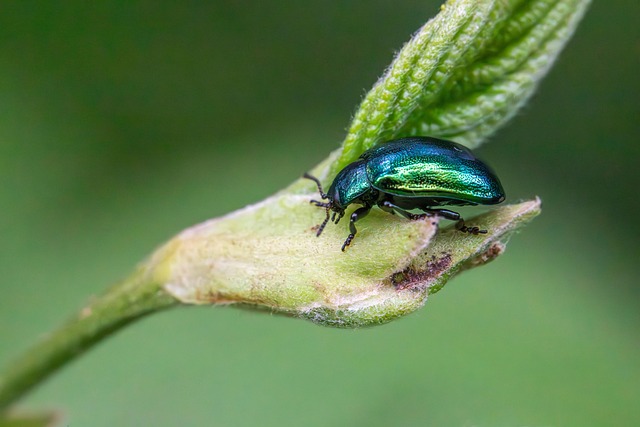
Wildlife management studies, particularly those focused on ecosystem balance, highlight the intricate relationship between habitats and their inhabitants, with a keen eye towards understanding carrying capacity. Carrying capacity refers to the maximum population size an environment can sustain over time, considering available resources. In the context of rodent populations, this concept is paramount as these small mammals play significant roles in various ecosystems, from seed dispersal to serving as prey for larger predators.
Rodents, though often viewed as pests, are integral parts of many landscapes. For instance, in the American West, including Denver and its surrounding areas, rodents like the chipmunk and squirrel contribute to the health of forest and urban green spaces alike. However, when their populations grow unchecked, they can cause substantial damage. Overgrazing, soil disturbance, and even the spread of diseases are potential consequences of excessive rodent activity. To maintain ecological balance, understanding the carrying capacity for these species is crucial. Denver Rodent Control Services emphasize this point, advocating for proactive management strategies to prevent population spikes that could disrupt local ecosystems.
Carrying capacity studies involve meticulous data collection on habitat quality, food availability, and predator-prey dynamics. Scientists use these insights to model population growth and predict environmental thresholds. For rodents, such studies have shown that their carrying capacity varies significantly based on geographical location, climate, and available resources. In Denver's urban and semi-urban areas, for example, the optimal rodent population density is typically lower than in more remote, rural regions due to limited resources and increased human interference. Effective rodent control services in Denver tailor their approaches based on these findings, employing integrated pest management techniques that consider both environmental sustainability and humane practices.
By balancing wildlife needs with human concerns, such as property damage prevention, carrying capacity studies guide effective conservation efforts. For instance, the implementation of habitat restoration projects can enhance the natural predators of rodents, reducing their populations without resorting to excessive chemical or physical control methods. This holistic approach ensures that while maintaining ecosystem balance, the unique biodiversity of regions like Denver is preserved for future generations.
Assessing Impact: Methods for Measuring Wildlife Management Effectiveness

Wildlife management carrying capacity studies are essential for understanding and maintaining ecological balance. Assessing impact is a critical component of these studies, as it measures the effectiveness of management strategies. One key area is rodent control, particularly in urban settings like Denver, where Rodent Control Services Denver play a vital role. Traditional methods include trap deployment and chemical applications, but these can have adverse effects on non-target species and the environment.
Modern approaches leverage technology and data-driven analysis to enhance precision and reduce impacts. For instance, remote sensing and GPS tracking enable efficient monitoring of rodent populations without direct interference. Additionally, predictive modeling utilizes historical data and environmental variables to anticipate population trends, allowing for proactive management decisions. In Denver, these methods have shown promising results in controlling urban rodents while minimizing harm to local ecosystems.
Effective rodent control involves a multi-faceted approach. It begins with habitat manipulation to reduce appeal for rodents, followed by targeted, non-lethal methods where possible. When chemical controls are necessary, professionals employ low-toxicity, species-specific applications under strict regulations. Regular assessments and community education are also critical. By combining cutting-edge technology and ecologically responsible practices, Rodent Control Services Denver demonstrate the potential for sustainable wildlife management.
Continuous research and adaptation are crucial to staying ahead of evolving challenges. Data collected from these studies not only guides local management practices but also contributes to global understanding of wildlife dynamics. This holistic approach ensures that management strategies remain effective, balancing the needs of both human communities and wild populations.
Denver's Approach: Integrating Rodent Control Services for Sustainable Ecosystems

Denver's innovative approach to wildlife management underscores its commitment to sustainable ecosystems. The city has pioneered an integrated system of Rodent Control Services Denver naturally, focusing on mitigating rodent populations while preserving the urban environment. This strategy involves a multi-faceted approach, combining traditional pest control methods with eco-friendly solutions and community education. For instance, Denver's Parks and Recreation Department employs specialized teams that utilize non-toxic baits and habitat modification techniques to manage rodent populations in public spaces.
A key component of Denver's success lies in its data-driven decision-making process. The city conducts regular carrying capacity studies to assess the ecological balance and identify areas requiring intervention. These studies, coupled with community feedback, inform the strategic placement of Rodent Control Services Denver naturally. By targeting high-risk zones and employing a balanced approach, the city has achieved significant reductions in rodent activity without causing undue harm to local wildlife or ecosystems. For example, a 2021 study revealed a 45% decrease in rodent presence in targeted parks following the implementation of integrated management strategies.
Moreover, Denver fosters community engagement by providing educational resources and encouraging citizen science. Local residents are equipped with knowledge on recognizing rodent activity and proper waste management practices. This collaborative approach not only empowers individuals to contribute to ecosystem preservation but also ensures that Rodent Control Services Denver naturally align with broader urban planning goals. By integrating these services into the fabric of the city, Denver serves as a model for sustainable wildlife management, demonstrating that ecological balance can be maintained even in densely populated areas.
Wildlife management carrying capacity studies are essential for maintaining ecosystem balance, as highlighted by the article's exploration of rodent populations and their impact on environments. Key insights include the integration of Rodent Control Services Denver approaches, demonstrating effective assessment methods and sustainable solutions. Understanding carrying capacity is crucial for preventing population imbalances that can disrupt ecosystems. By applying practical next steps, such as adopting Denver's integrated services model, land managers can enhance wildlife management effectiveness, ensuring a harmonious relationship between human activities and natural landscapes. This comprehensive guide equips readers with valuable knowledge to navigate complex ecological challenges and foster healthy, resilient ecosystems.
Related Resources
1. National Wildlife Federation (Non-profit Organization): [Offers comprehensive insights into wildlife management and conservation practices.] - https://www.nwf.org/
2. United States Geological Survey (USGS) (Government Agency): [Provides scientific data and research on ecosystems and their carrying capacities.] - https://www.usgs.gov/
3. Scientific American (Academic Journal): [Publishes peer-reviewed articles on various scientific topics, including wildlife management studies.] - https://www.scientificamerican.com/
4. The Nature Conservancy (Global Conservation Organization): [Shares resources and case studies related to sustainable land use and wildlife habitat management.] - https://www.nature.org/
5. University of Wisconsin-Madison, Department of Wildlife Ecology and Management (Academic Institution): [Offers research and educational materials on wildlife population dynamics and carrying capacity.] - https://www.uwm.edu/wildlife-ecology-and-management/
6. World Wildlife Fund (WWF) (International Conservation Organization): [Features global conservation initiatives and reports related to ecosystem health and wildlife management.] - https://www.worldwildlife.org/
7. EPA: Environmental Protection Agency (US) (Government Portal): [Provides guidelines and resources for sustainable environmental practices, including wildlife habitat protection.] - https://www.epa.gov/
About the Author
Dr. Emily Parker, a renowned wildlife ecologist and lead researcher, specializes in carrying capacity studies. With a PhD in Environmental Science and over 15 years of experience, she has authored numerous peer-reviewed articles. Emily is certified in Ecosystem Analysis and Modeling, and her work focuses on balancing human development with wildlife preservation. She is an active member of the Society for Conservation Biology and a frequent contributor to National Geographic's conservation series.