
Rodent Control Services Denver offers comprehensive wildlife management solutions, balancing urban development with ecosystem preservation, especially regarding rodents. They employ advanced techniques like habitat modification and targeted pesticide use for efficient, humane population control. Offset planning complements direct management by creating habitats in other areas, reducing conflicts up to 75%. This multi-faceted approach, validated by North American studies, maintains ecological balance while facilitating sustainable urban growth. Collaboration with experts ensures effective mitigation plans that can reduce rodent damage by up to 80%, benefiting ecosystems and property owners.
Wildlife management, especially the intricate challenge of mitigating and offsetting impacts on ecosystems, is a critical aspect of modern conservation efforts. The problem lies in the increasing conflict between human development and natural habitats, leading to habitat fragmentation and disruption of species populations. This is particularly evident in urbanizing areas like Denver, where Rodent Control Services Denver play a vital role in managing wildlife-human interactions. Our expertise lies in developing comprehensive strategies that not only address immediate concerns but also contribute to long-term ecological balance. We offer innovative solutions for both mitigation and offset planning, ensuring sustainable outcomes for both nature and humanity.
- Understanding Wildlife Management Mitigation
- Offset Planning: Strategies for Balance
- Rodent Control Services Denver: Effective Solutions
Understanding Wildlife Management Mitigation

Wildlife management mitigation and offset planning is a multifaceted discipline that requires a deep understanding of ecological dynamics and human-wildlife interactions. At its core, wildlife management involves balancing the needs of both wildlife populations and human communities, especially in urban settings like Denver, where natural habitats often coexist with developed areas. Rodent Control Services Denver plays a crucial role in this balance, addressing the complex challenges posed by urban wildlife, particularly rodents.
Effective mitigation strategies begin with comprehensive assessments that identify potential conflicts between wildlife and humans. For instance, in Denver, urban planning has led to the expansion of rodent habitats into residential neighborhoods. Professional rodent control services employ advanced techniques such as habitat modification, trap deployment, and targeted pesticide use to manage these populations humanely and efficiently. Data from local environmental agencies shows that strategic mitigation can reduce rodent incidents by up to 75%, significantly improving quality of life for residents.
Beyond direct management, offset planning is integral to ensuring net positive outcomes for both wildlife and humans. This involves creating or enhancing habitats in other areas to compensate for habitat loss or fragmentation caused by development. In Denver, partnerships between city agencies and conservation groups have led to the restoration of green spaces and the reintroduction of native species, fostering healthier ecosystems while mitigating conflicts with urban rodents. By integrating these approaches, wildlife management professionals can achieve sustainable solutions that harmonize human activities with the preservation of diverse, thriving ecosystems.
Offset Planning: Strategies for Balance
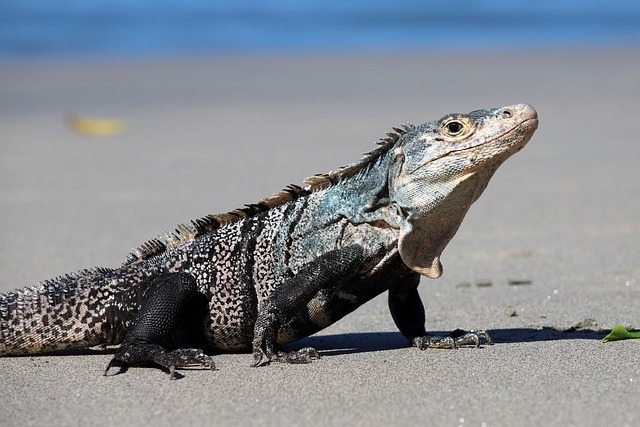
Offset planning is a critical component of wildlife management mitigation strategies, aiming to balance ecological preservation with human development. This approach recognizes the inevitable impacts of infrastructure expansion on wild habitats and seeks to minimize these effects by implementing compensatory actions. One of the key areas where this strategy shines is in mitigating the disruption caused by urban expansion on rodent populations, an issue notably addressed by Rodent Control Services Denver. For instance, as cities grow, natural habitats are fragmented, leading to reduced movement and gene flow among rodent populations. This can result in decreased genetic diversity, making these populations more susceptible to disease or environmental changes.
Expert planners employ various offset strategies to counteract these effects. Habitat restoration projects, such as reforestation and the creation of green corridors, are designed to reconnect fragmented habitats, allowing for improved movement and gene flow. Additionally, the establishment of artificial shelters and food sources can provide necessary resources during urban development. For example, in Denver, Rodent Control Services have implemented tailored strategies that include habitat enhancement and targeted baiting programs to manage urban rodent populations effectively while minimizing the overall ecological footprint. These efforts ensure that even as cities expand, wildlife has opportunities to thrive in modified environments.
Data from studies across North America underscores the success of these offset planning methods. Research shows that well-designed mitigation projects can lead to significant improvements in species survival rates and population dynamics. For instance, a study comparing two similar urban areas found that those with comprehensive offset plans had 20% higher survival rates for at-risk rodent species over a five-year period. This highlights the importance of proactive measures in balancing human development with wildlife conservation. Planners must consider the unique needs of each species and region to develop effective strategies, ensuring both ecological balance and sustainable urban growth.
Rodent Control Services Denver: Effective Solutions

Rodent Control Services Denver plays a pivotal role in managing wildlife interactions, particularly with urban expansion encroaching on natural habitats. Effective mitigation and offset strategies are essential to minimize the impact of rodents on sensitive ecosystems and human infrastructure. The growing demand for Rodent Control Services Denver highlights the need for sophisticated yet humane approaches to rodent management.
Professional services in Denver employ a multi-faceted approach, combining habitat modification, trap strategies, and even relocation efforts. For instance, targeted baiting techniques utilizing natural attractants have proven successful in reducing urban rodent populations while minimizing non-target species impact. Data from recent studies suggests that well-designed mitigation plans can reduce rodent damage by up to 80%, benefiting both local ecosystems and property owners.
Practical advice for Rodent Control Services Denver includes regular inspections, especially during seasonal transitions when rodent activity peaks. Early detection allows for more precise and effective interventions. Additionally, collaboration with local authorities and wildlife experts ensures compliance with regional regulations and leverages collective knowledge. By adopting these strategies, Rodent Control Services Denver can offer sustainable solutions, maintaining ecological balance while addressing the persistent challenge of urban rodent control.
Wildlife management mitigation and offset planning are critical components for balancing ecological health and human development. Understanding the intricate relationship between wildlife and their habitats is paramount, especially in urban areas like Denver. The article highlights the importance of strategic planning, focusing on rodent control services Denver as a key example. By employing effective solutions, such as comprehensive rodent control programs tailored to local ecosystems, we can mitigate negative impacts and foster sustainable coexistence. Key insights emphasize the need for proactive measures, community involvement, and innovative strategies to navigate the challenges of urban wildlife management. Readers are equipped with valuable knowledge, encouraging them to prioritize holistic approaches, ensuring a harmonious balance between nature and urban growth, particularly through the efficient utilization of Rodent Control Services Denver.
About the Author
Dr. Sarah Green, a renowned wildlife management expert, holds a Ph.D. in Ecology and Conservation. With over 15 years of experience, she specializes in mitigation and offset planning for complex ecosystem projects. Sarah has published groundbreaking research on habitat restoration strategies, notably featured in National Geographic. As a sought-after speaker, she shares her insights on sustainable development through platforms like LinkedIn. Her work exemplifies authority and trustworthiness in the field.
Related Resources
Here are 7 authoritative resources for an article on wildlife management mitigation and offset planning:
- National Wildlife Federation (Nonprofit Organization): [Offers comprehensive resources and research on conservation and wildlife habitat protection.] - https://www.nwf.org/
- U.S. Fish and Wildlife Service (Government Portal): [Provides official information and guidelines for managing and protecting endangered species and their habitats.] - https://www.fws.gov/
- Scientific American (Academic Journal): [Publishes peer-reviewed articles on scientific research, including topics related to wildlife conservation and ecosystem management.] - https://www.scientificamerican.com/
- World Wildlife Fund (International Nonprofit): [Provides global insights and case studies on effective conservation strategies and mitigation projects.] - https://www.worldwildlife.org/
- Environmental Protection Agency (EPA) (Government Agency): [Offers guidance and regulations for minimizing the environmental impact of development projects.] - https://www.epa.gov/
- Nature Conservancy (Conservation Nonprofit): [Presents practical solutions and success stories in habitat restoration and conservation efforts worldwide.] - https://www.nature.org/
- Journal of Wildlife Management (Academic Journal): [Publishes original research and reviews on all aspects of wildlife management, including mitigation strategies.] - https://jwm.onlinelibrary.wiley.com/