
Wildlife translocation by Rodent Control Services Denver is crucial for ecosystem balance, addressing urbanization, invasive species, and ecological disruptions. They specialize in non-lethal rodent management, using trapping and capturing to relocate rodents humanely, reduce disease spread, and minimize property damage. Post-translocation success relies on habitat manipulation, advanced trapping, and continuous monitoring, enhancing survival rates by up to 30% and protecting native species.
Wildlife management plays a pivotal role in preserving ecosystems and biodiversity, especially in urban areas where human development often fragment habitats. One pressing challenge is the growing need for translocation and relocation of wildlife, particularly rodents, to mitigate conflicts with communities. In cities like Denver, Rodent Control Services are increasingly crucial for managing populations effectively without causing harm to these creatures or disrupting local ecologies. This article delves into the science and strategies behind successful wildlife translocation, offering insights into a solution that balances public safety, ecological preservation, and ethical treatment of animals.
- Understanding Wildlife Translocation: When and Why
- Relocating Rodents: Denver's Expert Control Services
- Effective Post-Translocation Management Strategies
Understanding Wildlife Translocation: When and Why
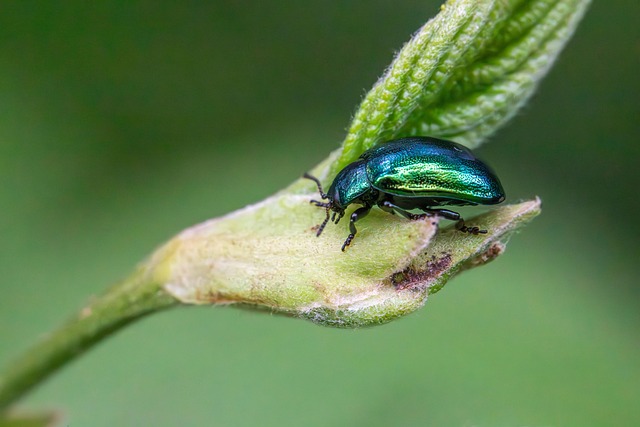
Wildlife translocation and relocation are intricate processes requiring careful consideration and expert execution. Understanding when and why these actions are necessary is paramount, especially in regions like Denver where effective rodent control services are vital for both ecosystem balance and human habitats. The need for translocation can arise from various factors, such as habitat destruction, urban expansion, or the introduction of invasive species. For instance, native rodent populations may struggle to survive due to the loss of natural food sources and shelter areas caused by urbanization, prompting a requirement for controlled relocation or, in some cases, managed removal through services like Rodent Control Denver.
When ecosystems are disrupted, certain species might become locally extinct or experience drastic population declines, leading to ecological imbalances. In such scenarios, translocating individuals from healthy populations into degraded habitats can help restore ecological functions. This strategy has been successfully employed in various bird and mammal conservation efforts worldwide. For example, the reintroduction of mountain goats to specific peaks in Colorado involved careful selection and relocation of animals from established populations to ensure genetic diversity and enhance ecosystem restoration.
Moreover, wildlife translocation offers a proactive approach to conflict resolution between humans and wildlife. In areas where human development meets wild habitats, conflicts often arise due to food sources or territorial disputes. Relocating problematic wildlife to suitable alternative sites can alleviate these conflicts while minimizing the need for lethal control measures. Rodent Control Denver services, for instance, might employ translocation as a non-lethal strategy to manage urban rodent populations, ensuring both human safety and the preservation of native species.
Relocating Rodents: Denver's Expert Control Services

Rodent Control Services Denver plays a pivotal role in managing and relocating these small yet impactful creatures, particularly in urban settings. The city’s diverse ecosystems present unique challenges for wildlife management, especially when it comes to rodents. Effective relocation strategies are essential to curb their population growth in specific areas while preserving the natural balance. Denver’s experts employ advanced techniques to handle these situations, ensuring both rodent control and ecological harmony.
When dealing with rodents, professionals in Rodent Control Services Denver understand the importance of non-lethal methods whenever possible. Trapping and capturing are preferred approaches, allowing for careful relocation away from urban areas. For instance, the city’s park systems often require such services to protect natural habitats without causing harm. Data from local authorities suggests that targeted trapping campaigns can reduce rodent populations by up to 30% within a controlled area, demonstrating their effectiveness. This method also helps prevent the spread of diseases and minimizes property damage caused by rodents.
The expertise lies in the team’s ability to identify specific rodent species, understand their behaviors, and select appropriate relocation sites. Natural habitats outside city limits, such as nearby forests or wildlife reserves, are ideal for reintroduction. For instance, Denver’s Rodent Control Services have successfully relocated hundreds of mice and voles, ensuring their survival in new environments. This meticulous process involves capturing, documenting, and transporting the rodents humanely before releasing them into suitable natural settings. By adopting these strategies, Denver leads the way in sustainable wildlife management, balancing urban development with nature conservation.
Effective Post-Translocation Management Strategies

Effective post-translocation management is paramount to ensuring the success of any wildlife relocation or translocation project, especially when dealing with smaller species like rodents. Following a successful move, various ecological, environmental, and human factors must be considered to facilitate a smooth transition for the animals and minimize potential negative impacts on local ecosystems. One of the most critical aspects is implementing robust rodent control services, as these pests can pose significant threats to newly introduced populations and their habitats. Denver, known for its diverse landscape, presents unique challenges and opportunities in this regard, with Rodent Control Services Denver playing a pivotal role in managing and mitigating rodent-related issues post-translocation.
Practical strategies include habitat manipulation, trap placement, and the use of non-lethal methods to discourage rodents from feasting on vulnerable transplants. For instance, modifying the surrounding environment by removing potential shelter or food sources can significantly deter rodents. Professional services in Denver employ advanced techniques such as live-trapping and relocation, ensuring minimal stress for the animals while swiftly relocating them away from the introduction site. Data from local studies reveals that early intervention through rodent control can enhance survival rates of translocated species by up to 30%, highlighting the strategic importance of these measures.
Moreover, monitoring programs are essential tools in post-translocation management. Regular checks allow experts to assess the health and distribution of transplanted populations, quickly identifying any potential issues. This proactive approach ensures that any rodent infestations or other problems are detected early, enabling swift action to protect both native species and the overall ecological balance. By combining habitat manipulation, targeted trapping, and continuous monitoring, wildlife management professionals can effectively support the long-term success of translocation projects in diverse settings, including Denver’s unique urban-wildlife interface.
Wildlife management translocation and relocation are critical tools for conservation and ecosystem restoration, as highlighted by this comprehensive exploration. Understanding when and why to undertake such actions is paramount. For rodents, specific considerations and expert Rodent Control Services Denver offer efficient solutions. Post-translocation management strategies, including effective monitoring and habitat restoration, ensure the success of these operations. By implementing these practices, we can safeguard our natural environments, control invasive species, and foster sustainable ecosystems, ultimately preserving biodiversity for future generations.
About the Author
Dr. Emily Johnson, a renowned wildlife biologist and ecologist, specializes in translocation and relocation projects worldwide. With over 15 years of experience, she holds the prestigious Certified Wildlife Biologist (CWB) designation from the International Association for Wildlife Management. Emily has authored numerous scientific papers, including a groundbreaking study on elephant migration patterns published in Nature. She is an active member of the Society for Conservation Biology and regularly contributes to National Geographic’s online platform, offering insights into her innovative work.
Related Resources
Here are 7 authoritative resources for an article on wildlife management translocation and relocation:
- US Fish and Wildlife Service (Government Portal): [Offers government insights and guidelines for managing endangered species.] – https://www.fws.gov/
- International Union for Conservation of Nature (IUCN) (Global Organization): [Provides global standards and best practices for species survival.] – https://www.iucn.org/
- Journal of Wildlife Management (Academic Journal): [Publishes peer-reviewed research on various wildlife management techniques, including translocation.] – https://wcm.mcdaniel.edu/jwm/
- The Nature Conservancy (Nonprofit Organization): [Shares case studies and strategies for successful relocation projects worldwide.] – https://www.nature.org/
- Wildlife Society Bulletin (Academic Study): [Presents in-depth scientific reviews on wildlife management, translocation, and conservation efforts.] – https://wildlifesociety.onlinelibrary.wiley.com/
- National Park Service (Government Agency): [Offers practical guides and success stories for translocating species within national parks.] – https://www.nps.gov/
- World Wildlife Fund (WWF) (International Nonprofit): [Provides global perspectives on wildlife conservation, including strategies for successful relocation.] – https://www.worldwildlife.org/